Ryan Kellogg Ohio
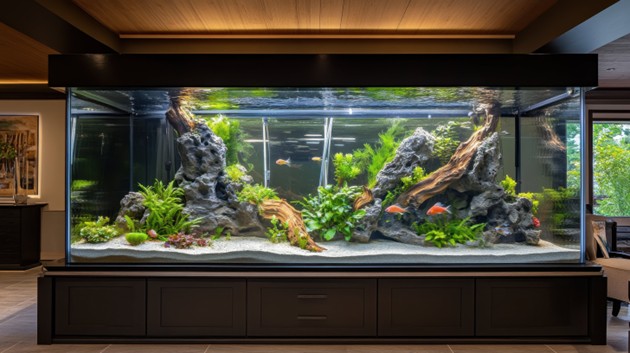
Ryan Kellogg is a dynamic aquatics professional whose work sits at the intersection of science, education, and community impact. Known for his practical expertise and approachable teaching style, he has become a trusted voice in marine and reef stewardship throughout Ohio and beyond. Driven by both curiosity and commitment, Ryan brings a thoughtful, solutions-oriented perspective to every environment he works in, from public-facing programs to highly technical aquatic systems.
About Ryan Kellogg of Ohio
Ryan Kellogg is an Ohio-based aquatics specialist and community educator whose career blends technical expertise with a lifelong passion for marine and reef ecosystems. With a background that spans aquatic system design and engineering, livestock care, coral husbandry, and full-scale retail and facility operations, Ryan has earned a reputation for delivering high-quality, science-driven care across both commercial and community environments.
Equally at home in front of a classroom, inside a filtration room, or working directly with clients, Ryan Kellogg brings a unique combination of hands-on skill and public engagement. He is experienced in media communication, public education, and building meaningful community partnerships, helping audiences of all ages better understand the complexity and importance of marine life. His work also includes managing commercial client accounts, where he provides tailored solutions that support long-term aquatic health and system sustainability.
Outside his professional life, Ryan Kellogg of Ohio is a multi-faceted hobbyist with a love for creativity, competition, and craftsmanship. He enjoys playing guitar, hitting the pickleball court, day-trading, and racing RC cars. He’s also an avid coin collector, a hands-on mechanic who enjoys working on cars, and, most importantly, a devoted parent who loves spending time with his children. Whether in his home workshop or a coral propagation environment, Ryan brings curiosity, precision, and passion to everything he does. At the heart of it all, Ryan’s dedication to marine and reef aquaculture remains both his career and his lifelong personal pursuit, fueling his commitment to education, innovation, and the responsible stewardship of aquatic life.
Ryan Kellogg of Ohio Explores Designing Aquatic Systems for Long-Term Success
Creating a thriving aquatic system is both an art and a science. Although many hobbyists and facility managers often focus on livestock selection or tank aesthetics, the true heart of a successful system lies in the planning that takes place long before the first fish or coral is introduced. Designing an aquatic environment that remains stable over time requires thoughtful engineering, attention to detail, and an understanding of how filtration, flow, lighting, and system redundancy work together to support life.
A long-lasting aquatic system does not rely on luck. Ryan Kellogg of Ohio explains that it relies on principles that reduce failure points, prevent unnecessary stress on the system, and promote predictable biological performance. Whether building a home reef tank or overseeing a commercial installation, the engineering practices described below form a strong foundation for stability, safety, and sustainability.
Understanding System Goals Before Designing the Build
Every aquatic system should begin with a clear purpose. The needs of a freshwater planted tank differ from those of a coral-dominated reef, and both differ from high-volume commercial displays. Before selecting equipment, it is essential to identify the goals of the system, including the type of livestock, long-term growth expectations, maintenance demands, and available space.
For example, reef aquariums benefit from high flow rates, strong lighting, and robust filtration that supports biological activity. Freshwater communities may prioritize moderate lighting and chemical stability. Commercial tanks that serve as waiting room features must be designed for aesthetics, durability, and easy servicing by maintenance professionals.
Clarity about system goals informs the layout, plumbing choices, and long-term strategy for keeping the environment stable. Without a defined purpose, systems often become mismatched collections of equipment that complicate maintenance and increase failure risks.
The Foundation of Stability: Filtration Planning
Filtration supports the biological engine of any aquatic system. Properly engineered filtration removes waste, processes nutrients, and maintains water clarity, which in turn supports healthy fish and corals. A well-designed filtration system usually includes three core components that work in harmony: mechanical, biological, and chemical filtration.
Mechanical filtration physically removes particles from the water. Ryan Kellogg of Ohio explains that this keeps the system free of debris, reduces strain on biological processes, and improves overall clarity. Filter socks, sponges, and roller mats are common mechanical tools that capture waste efficiently. Biological filtration is the cornerstone of long-term stability. Tank walls, rock structures, and dedicated media house beneficial bacteria that convert ammonia to nitrite, then nitrite to nitrate. Ensuring adequate biomedia, consistent flow, and oxygenation is essential for these microbes to thrive.
Chemical filtration acts as a polishing step. Activated carbon, phosphate removers, and other specialized media remove dissolved contaminants that mechanical and biological stages cannot process. Designing these components with appropriate flow rates, easy access for maintenance, and redundancy ensures that filtration remains reliable even when the system matures or experiences small fluctuations in load.
Creating Effective Flow Throughout the System
Water flow is one of the most underestimated aspects of aquatic design, yet it plays a critical role in oxygenation, nutrient distribution, and waste removal. Dead zones with stagnant water can lead to algae growth, detritus accumulation, and stressed livestock.
Effective system design begins with understanding how water moves. For reef tanks in particular, water movement should simulate natural currents. Ryan Kellogg of Ohio understands that this can be achieved by using multiple pumps that work together to create random or alternating patterns. Relying on a single large pump can create a strong directional force that stresses animals without effectively circulating the entire environment.
Flow in freshwater systems is often gentler but still essential. Fish rely on consistent oxygen levels, and plants require sufficient water movement to prevent decay at the base of stems or leaves.
When planning flow, it is wise to consider pump placement, rock scape structure, or decorations that obstruct circulation, and long-term pump maintenance. Pumps should be sized correctly to avoid overheating, clogging, or producing excessive noise that might deter regular servicing.
The Role of Lighting in System Longevity
Lighting does more than illuminate the tank. Ryan Kellogg of Ohio explains that it drives photosynthesis, supports coral growth, and influences the overall health of the environment. Poorly designed lighting schedules or mismatched
Light intensities often cause coral bleaching, plant die-off, or algae blooms.
Designing lighting for long-term success begins with understanding spectrum and intensity requirements. Reef systems benefit from high-intensity blue-leanin’ spectrums, while freshwater planted tanks require balanced full-spectrum lighting.
Equally important is the photoperiod, or the length of time that lights remain on. Consistent schedules help stabilize biological rhythms in both livestock and supporting microorganisms. Automated timers or integrated controllers can reduce the risk of human error and maintain predictable lighting cycles.
Lighting systems should be selected with longevity in mind. Cooling features, water-resistant components, and replaceable parts help ensure that lights last for many years without significant degradation.
Building Redundancy to Prevent System Failures
Redundancy is the practice of adding backup components or systems that keep the environment safe if one part fails. Many aquatic failures occur because the system has no fallback mechanisms in place.
A redundant design may include dual return pumps so that water continues circulating if one stops, or a backup heater that activates only if the primary unit fails. Automatic top-off systems can include failsafe float switches, and filtration units can be arranged in ways that continue functioning even during maintenance.
Ryan Kellogg of Ohio explains that redundancy acts as a safety net that protects livestock from unexpected events. Although these additions slightly increase upfront costs, they significantly reduce the risk of major losses in the long run.
Planning for Maintenance from the Start
No matter how advanced the equipment is, long-term success depends on regular maintenance. Designing the system with ease of access encourages consistent care and reduces the likelihood of neglected tasks.
Sumps, pumps, filter media, and lighting should all be positioned where they can be reached quickly and safely. Wires and plumbing should be labeled clearly so that maintenance is straightforward rather than confusing. Systems with limited access often lead to skipped cleanings, poor water quality, and unnecessary stress on both equipment and livestock.
A Unified Approach to Long-Term Aquatic Health
A successful aquatic system is not merely a collection of equipment. It is a well-engineered environment that balances biology with thoughtful planning. Filtration, flow, lighting, and redundancy all play interconnected roles that support the health and stability of the entire ecosystem.
Ryan Kellogg of Ohio emphasizes that by approaching design with long-term success in mind, hobbyists and professionals alike can create aquatic systems that remain beautiful, reliable, and thriving for many years.